BHUBANESWAR: The second day of the 14th National Workshop of JICA Assisted Forestry Projects in India focused on the critical transition toward a resilient and green wood economy. Organized by the Odisha Forestry Sector Development Project, Phase-II (OFSDP-II) under the Forest, Environment and Climate Change Department, Government of Odisha, in collaboration with the Japan International Cooperation Agency (JICA), the event took place at the Hotel Mayfair Convention. The day’s deliberations centered on strengthening sustainable wood supply systems, promoting forest certification, and expanding agroforestry to meet both domestic and global demands.
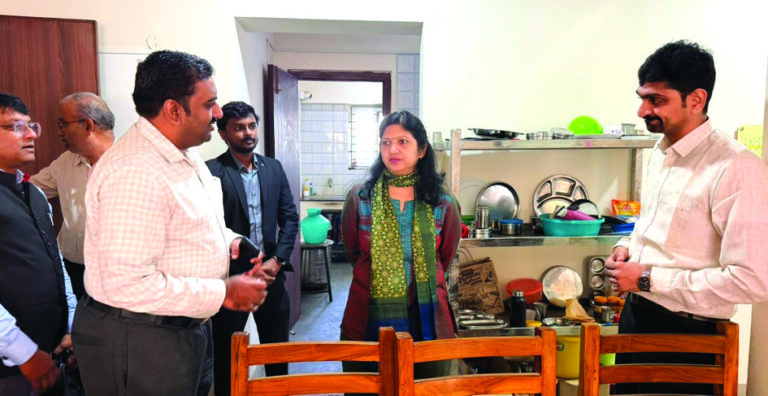
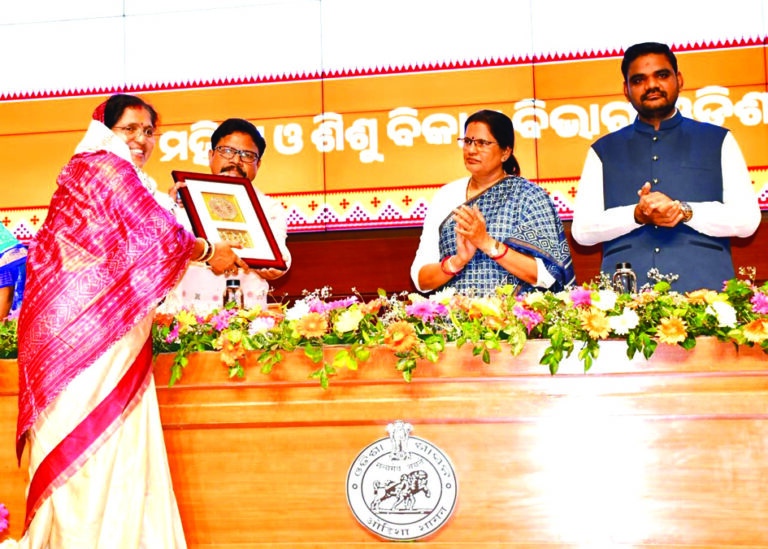
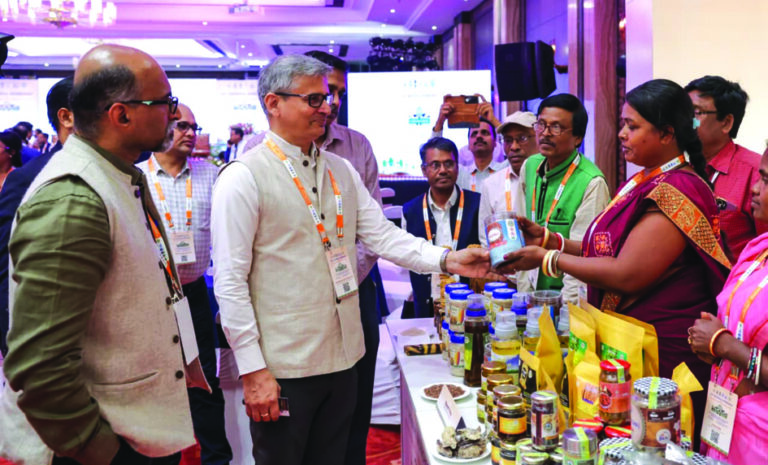
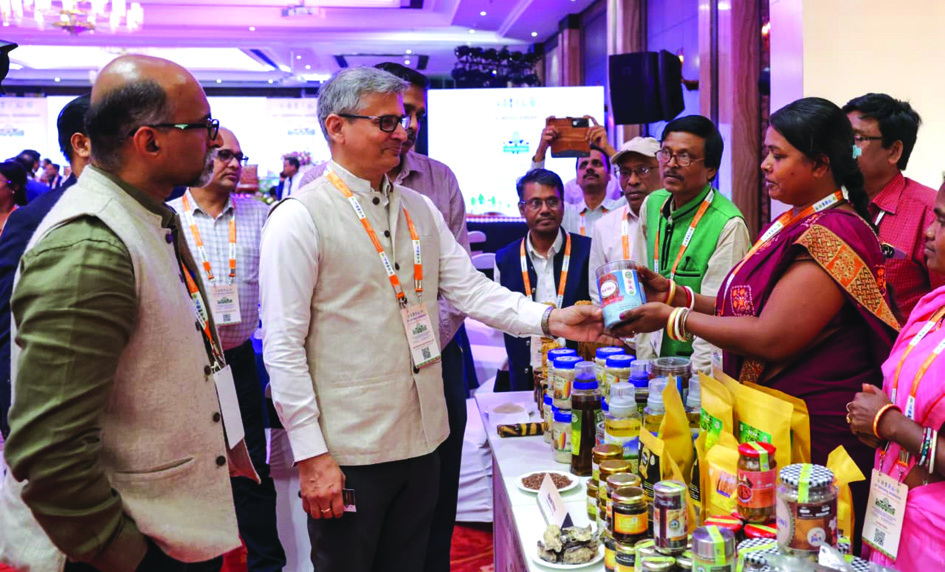
Speaking as the Chief Guest at the valedictory session, Bhaskar Jyoti Sharma, Principal Secretary, Forest, Environment & Climate Change Department, Government of Odisha, underscored the power of coordinated efforts. He noted that the workshop demonstrated how collaboration between states and international partners like JICA can accelerate India’s journey toward a climate-resilient forestry sector. Shri Sharma also interacted with community members from Vana Surakshya Samiti (VSS) and Self-Help Groups (SHGs), reiterating Odisha’s commitment to livelihood support initiatives and ecological restoration.
In the presence of Wakamatsu Eiji, Senior Representative of JICA India, the outcomes of the workshop were presented by Shri Siddharth Parameswaran, Development Specialist at JICA India. He identified climate adaptation, wood transformation, and digital transformation as the cornerstones of future cooperation. He emphasized that continued focus will be placed on co-creation and innovation with Japanese experts and the private sector to ensure mutual benefits for both nations within the evolving landscape of Official Development Assistance.
A central theme of the proceedings was the importance of multi-stakeholder collaboration involving state governments, research institutions, and industry partners. Experts participated in a thematic discussion on Wood Transformation and Forest Certification, highlighting how frameworks like the Forest Stewardship Council (FSC) and PRAMAAN are essential for the future of wood as a sustainable commodity. These certification mechanisms are viewed as vital links between rural smallholders and responsible supply chains, ensuring market credibility while boosting local livelihoods.
Technical sessions showcased innovative practices and scalable models from Karnataka, Tamil Nadu, and Odisha. These included the application of advanced genetics in plantation forestry and the adoption of modern wood processing technologies, such as Cross Laminated Timber (CLT). Furthermore, participants emphasized that digital public infrastructure developed within the forestry sector should function as integrated decision-support systems rather than standalone platforms, ensuring interoperability to improve long-term planning and policy outcomes.
In the valedictory session, Dr. K. Murugesan, Principal Chief Conservator of Forests & Head of Forest Force, Odisha, addressed the gathering as Guest of Honour. The session began with a welcome address by G. Rajesh, Additional PCCF (Projects) & Project Director, OFSDP, and concluded with a vote of thanks by Swayam Mallick, Joint Project Director, OFSDP.